Grain cart or gravity wagon
Hauls grain from the combine to the truck or bin.
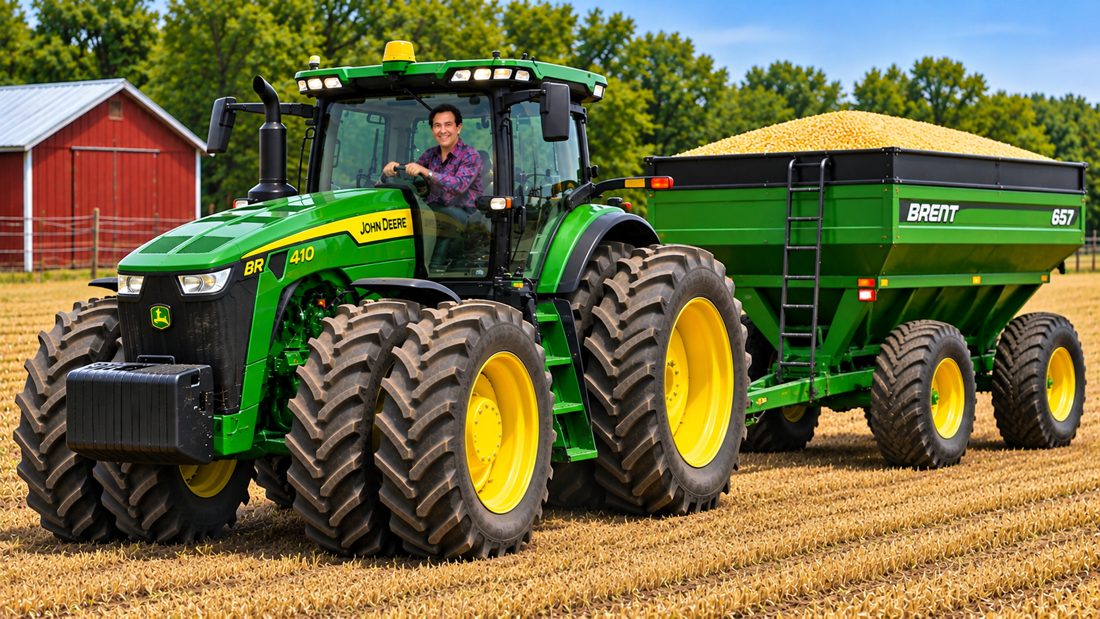
Why choose a grain cart or gravity wagon
The combine tank fills fast. A gravity wagon or grain cart behind a tractor catches grain from the combine in the field and hauls it to a truck or bin, so the combine keeps working. On a small farm, two gravity wagons are the usual setup.
Small plot: a pickup bed or a trailer with tote bags.
What it is used for
- Catching grain from the combine
- Hauling grain to the bin or truck
- Hauling seed and feed
- Holding grain while the dryer catches up
How to use it
- Pull up alongside the combine for unloading; keep pace with it.
- Level the load so the wagon does not tip on slopes.
- Open the gate slowly over the auger hopper.
- Do not exceed the wagon and running gear rating.
- Never get into a wagon with flowing grain; grain can trap and suffocate a person in seconds.
- Use safety chains when towing on the road and slow-moving vehicle signs.
Maintenance: keep it working
- Grease the running gear; check tires and wheel bearings.
- Clean out old grain to avoid mold and pests.
What to look for when you buy
- Gravity wagon 200 to 400 bushels on a rated running gear
- Grain cart with auger for bigger farms
- Brakes for road use
Where to buy it and what it costs
Typical price: $3,000 to $40,000. Three good choices:
Used 250 to 350 bu gravity wagon
about $3,000 to $6,000
Small-farm standard.
New gravity wagon (Brent, Parker, Killbros)
about $8,000 to $15,000
With new running gear.
Grain cart 500 to 750 bu
about $20,000 to $40,000
For bigger combines.
For tractors and field equipment, also check local dealers, farm auctions, Craigslist and Facebook Marketplace, and sites like TractorHouse and Machinery Pete. Have a mechanic look at used equipment before you buy.
Shop for any grain cart or gravity wagon
Prices are typical U.S. store prices checked November 17, 2026. They change often with sales; check the store. Tools Critical is not paid by any store or brand.